Scotland—Part 2, Shetland, 23-28 July


After saying farewell to the Madison Ave Presbyterian Church participants in the Presbyterian Heritage Tour, Lauren and I spent an additional day in Glasgow, picked up our rental car the next day and headed to Aberdeen to catch the overnight ferry to Shetland. The ferry was great—we slept really well and felt almost no motion of the boat at all—I didn’t expect the North Sea to be so calm! We are now on the return ferry, hoping for the same.
The first day we mostly puttered around Lerwick, visiting the shops, looking at Shetland wool and knitted items as well as other local crafts, and went to the little Textile Museum. We both bought kits to make this year’s “Wool Week” pattern—a hat, that will be the most ambitious knitting I’ve tried yet.

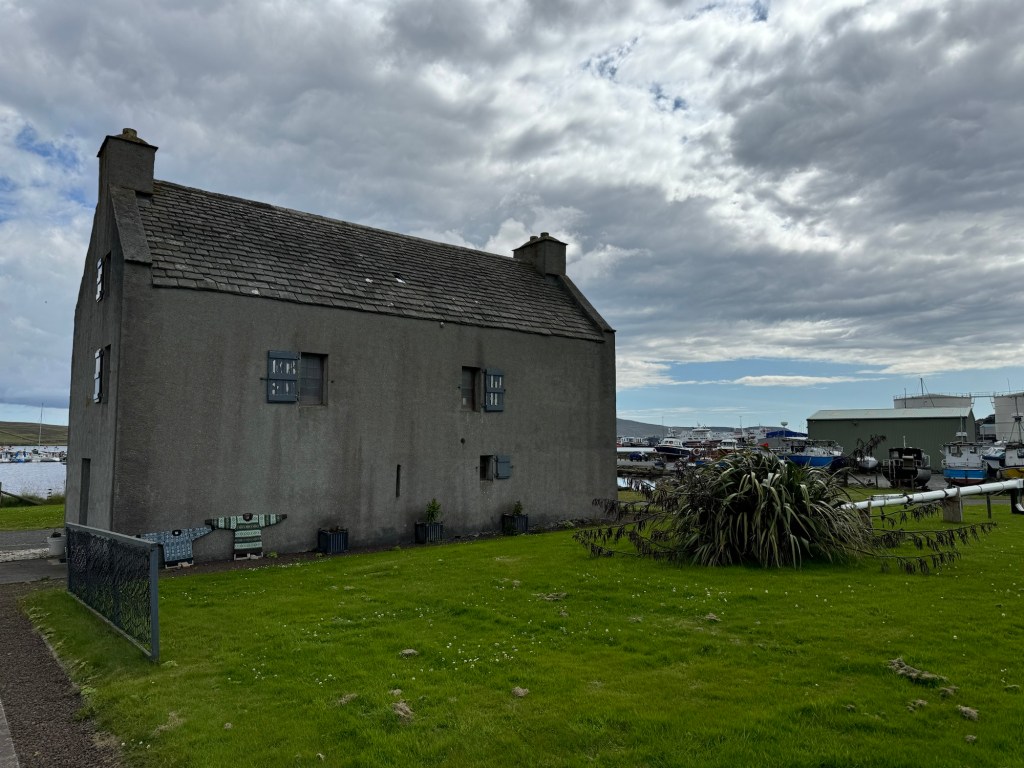


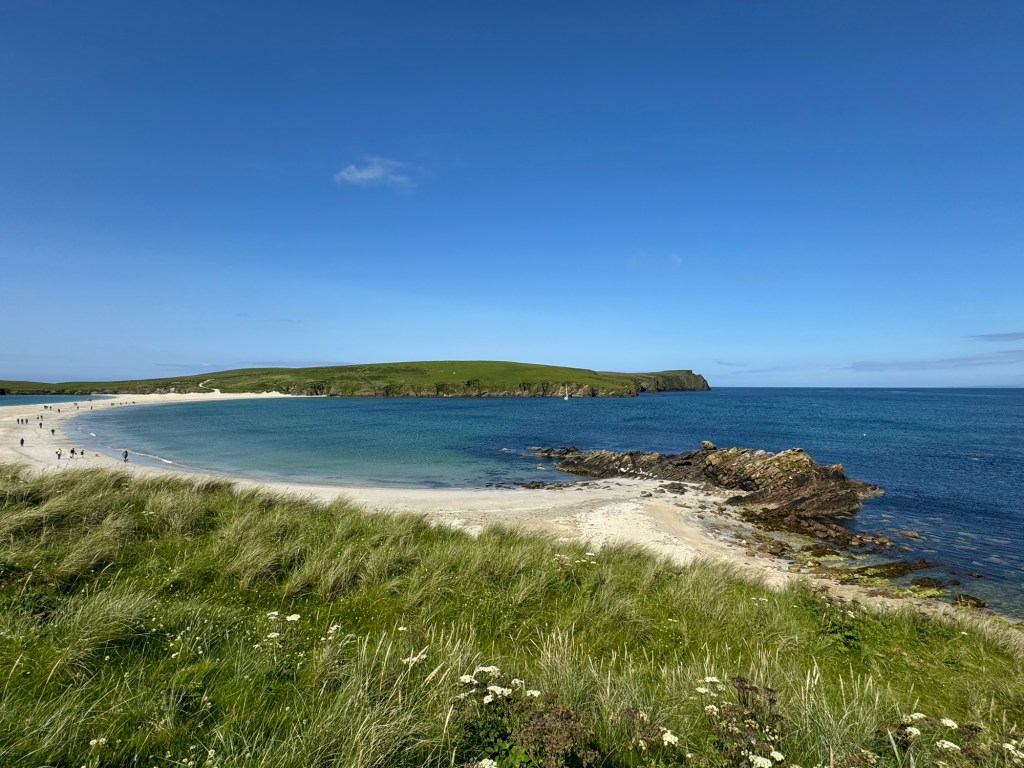
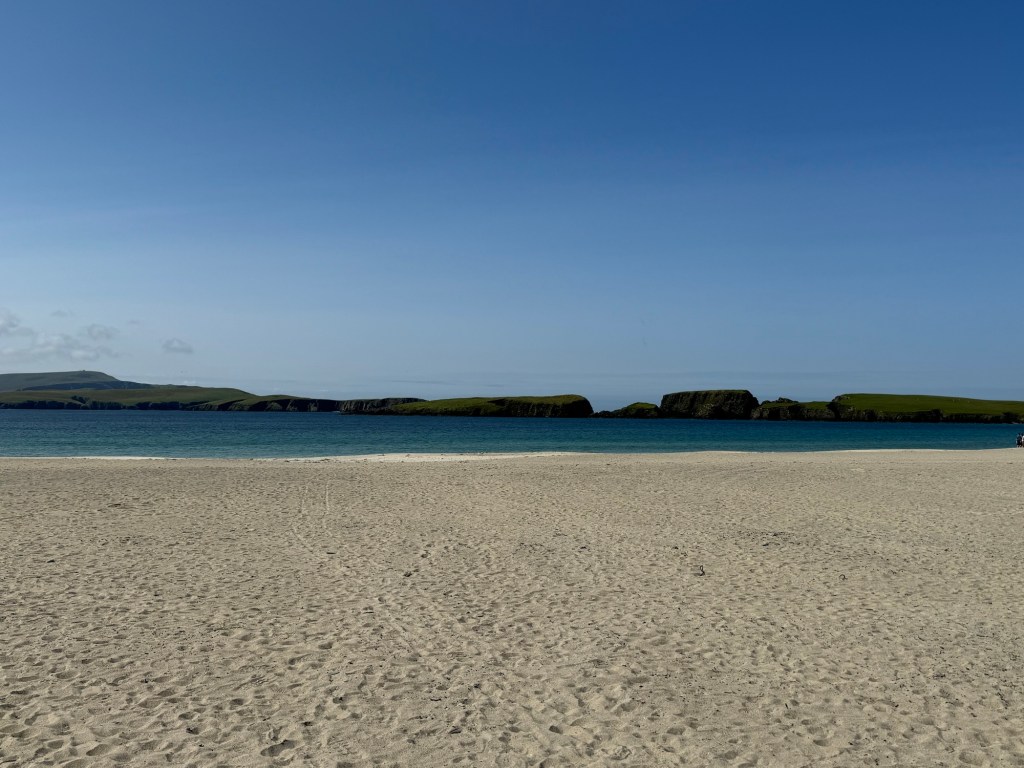
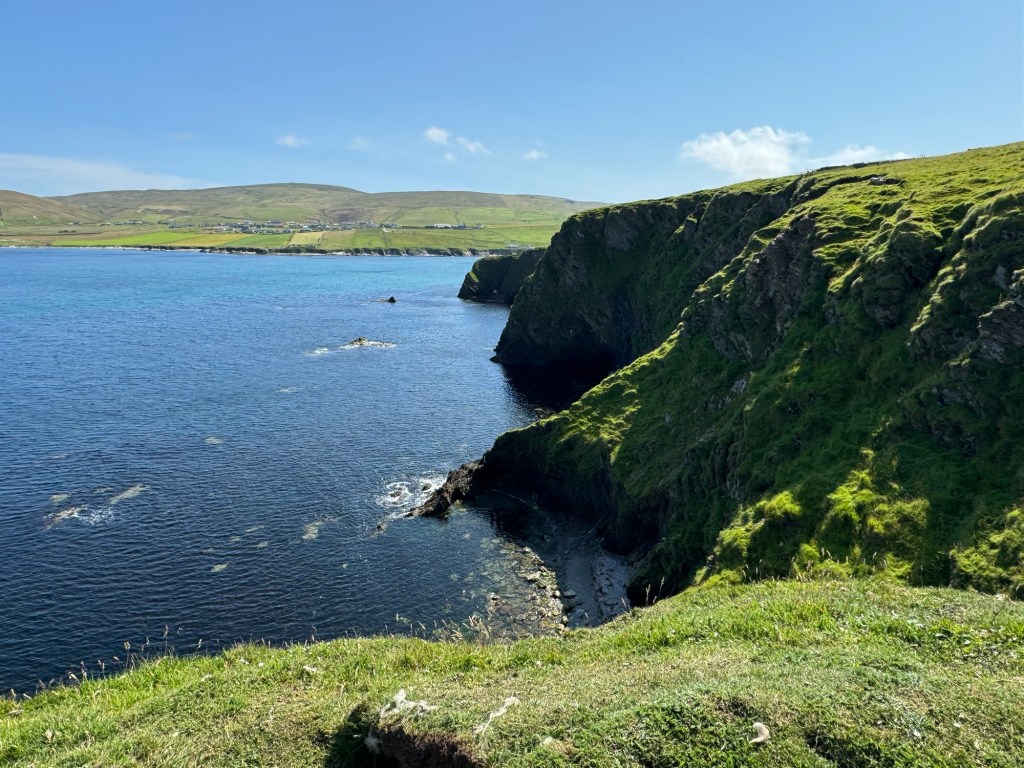
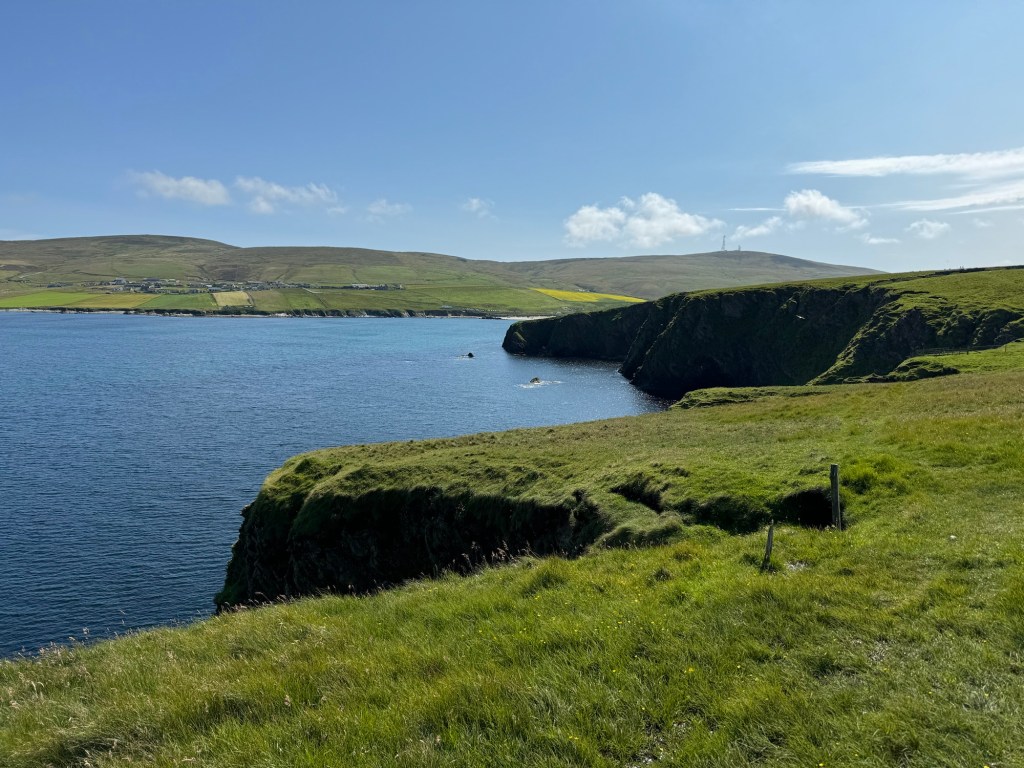
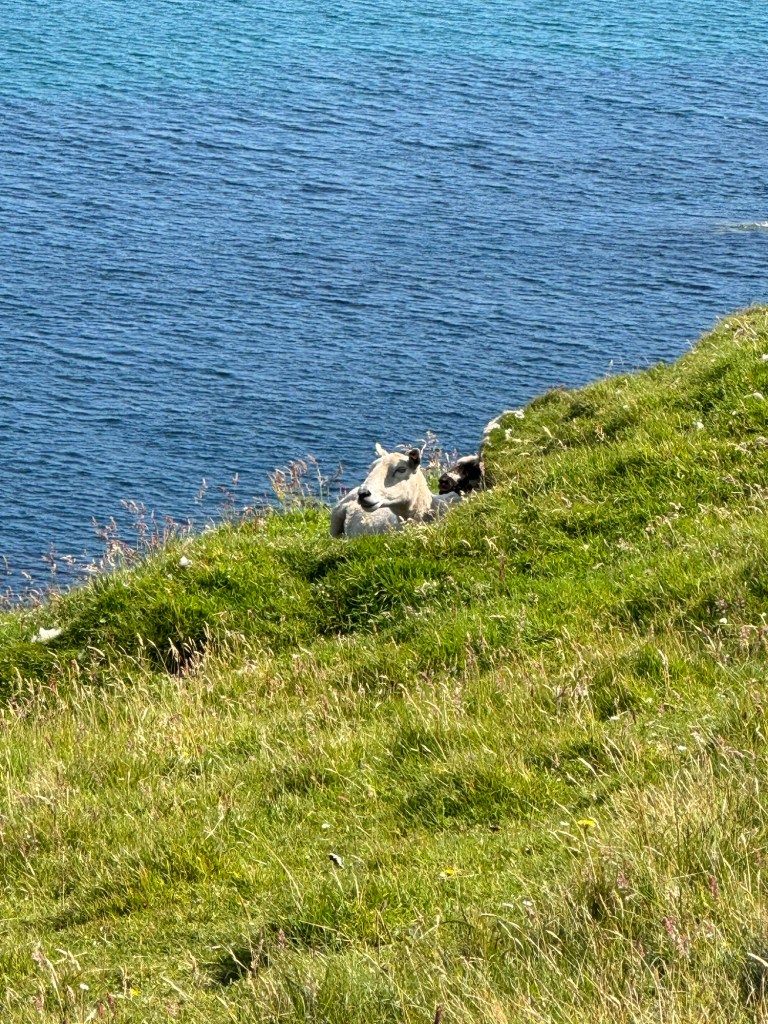
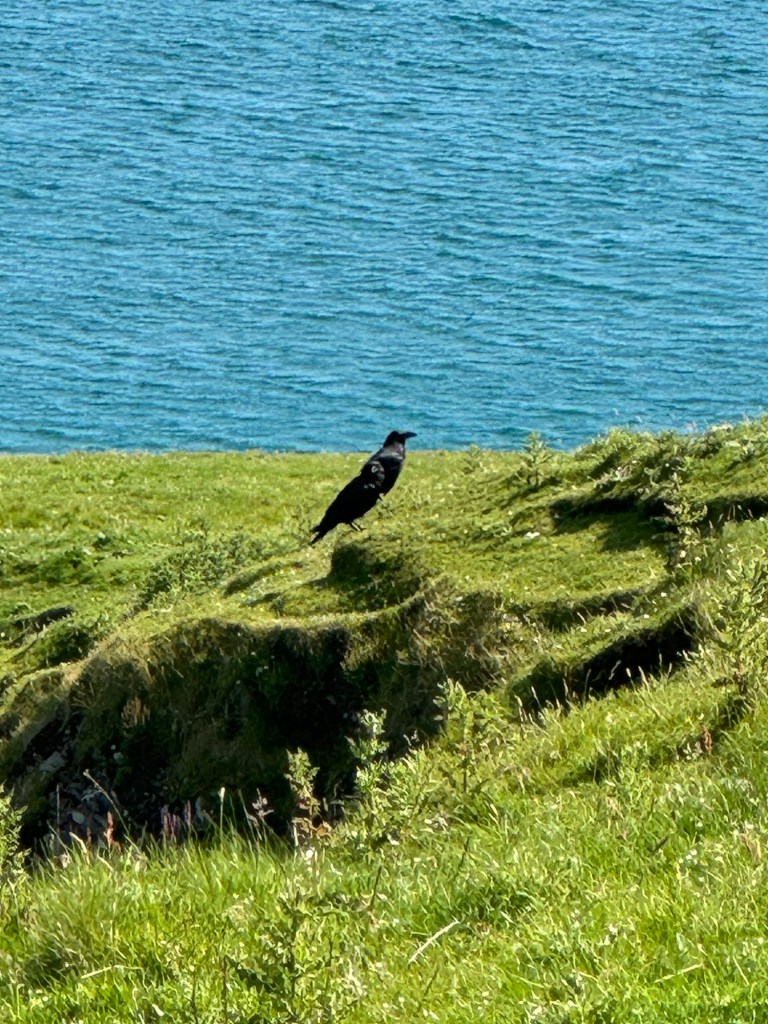
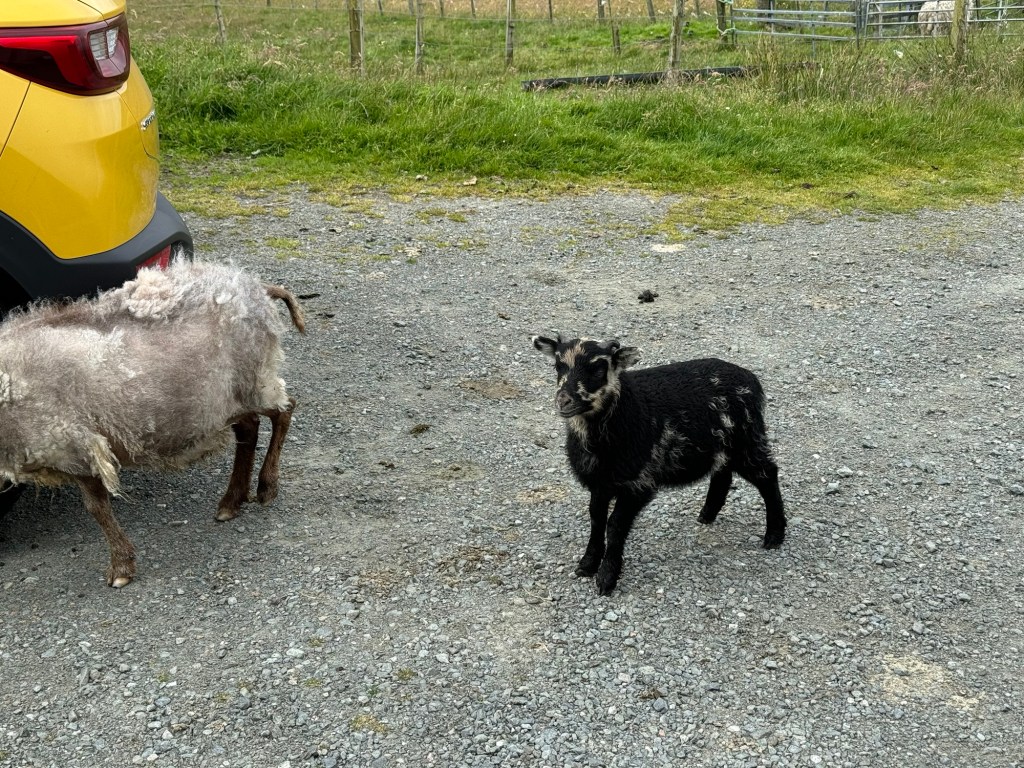
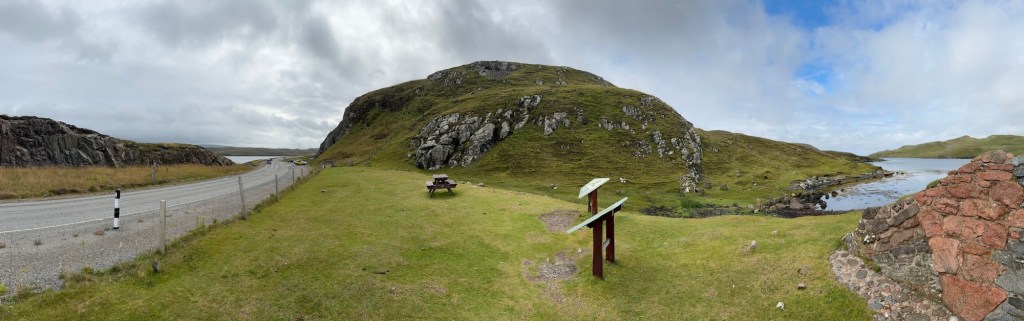
The second day we headed to the south of the Mainland (it’s all island, but the main island is called The Mainland), with a walk to St. Ninian’s Isle as our goal. I’m so grateful for my friend Louise for pointing us in that direction. It was magical. It is connected to the Mainland by a tombolo (google it!), so you can walk across—it isn’t tidal so you don’t have to worry about getting cut off. There is the ruin of a chapel there, and of course, the landscape is breathtaking, which pretty much describes all of Shetland: barren, yes, but dramatic—rocky coastline, beautiful beaches, fascinating stones (it is a geologist’s paradise), seabirds by the tens of thousands, seals, ruined stone crofts which dot the landscape along with occasional standing stones, sheep everywhere, Shetland ponies, occasional cows, seals, and otters (but we didn’t see any). So much sky and so much water, and being summer, so much light. And wind—always wind, sometimes a breeze, usually stronger, often whipping your hair and tearing your hat off your head in spite of a tight chin strap. There are almost no trees—only around houses where there is some shelter from the wind. Most of the roads are single-track with passing places, and sheep on the side of the road, sometimes in the road. You have to be very careful because if a lamb is across the road from its mom, and your car comes along, it will dash across the road right in front of you to get to Mom.


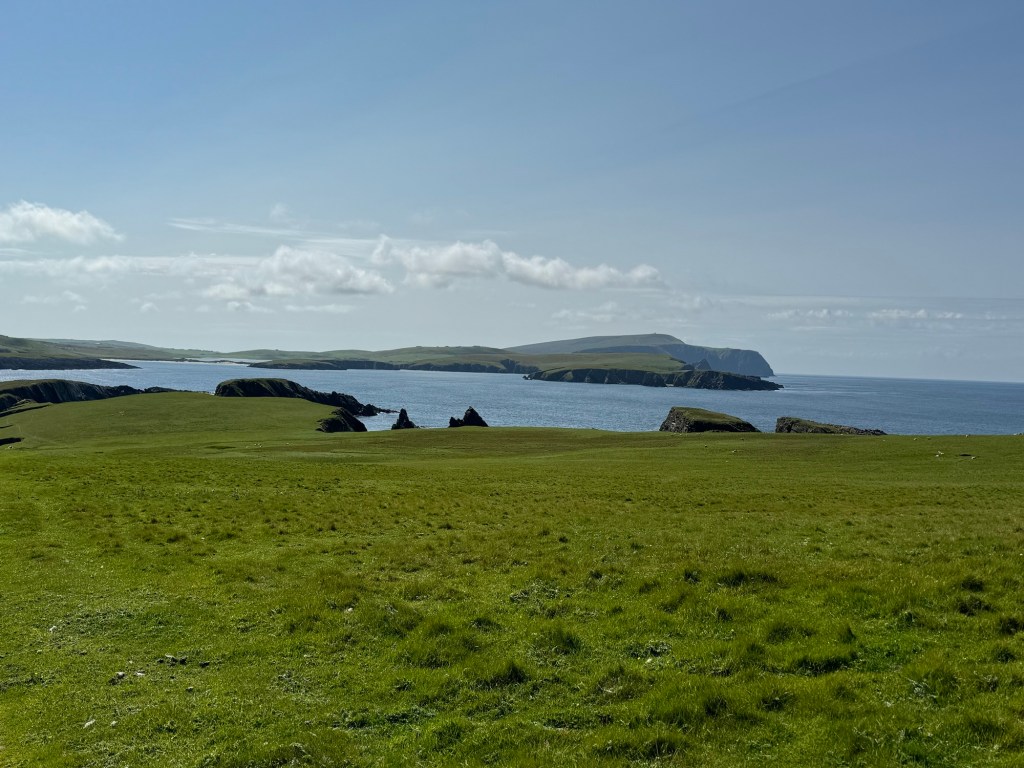



We stopped at a lot of artists and crafters studios, following the Shetland Craft Trail as much as we could. Some of them weren’t home, and some we couldn’t find, but we still found beautiful knitwear, paintings, prints, pottery, and jewelry to admire, and sometimes purchase, doing our bit to support the local economy!
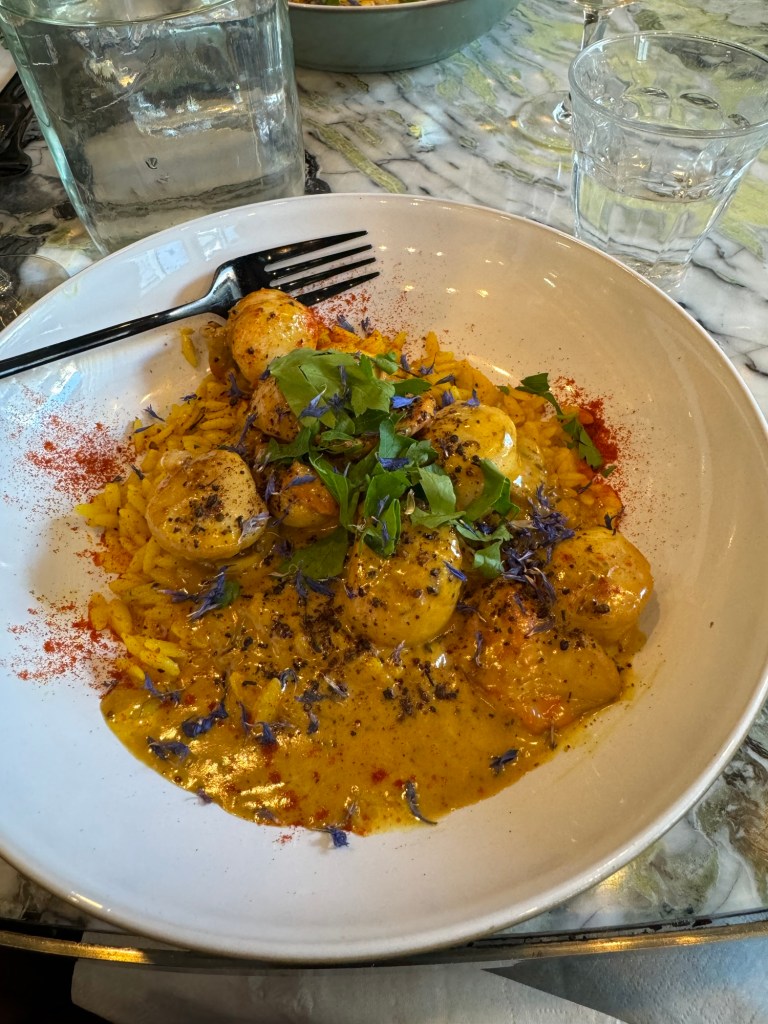
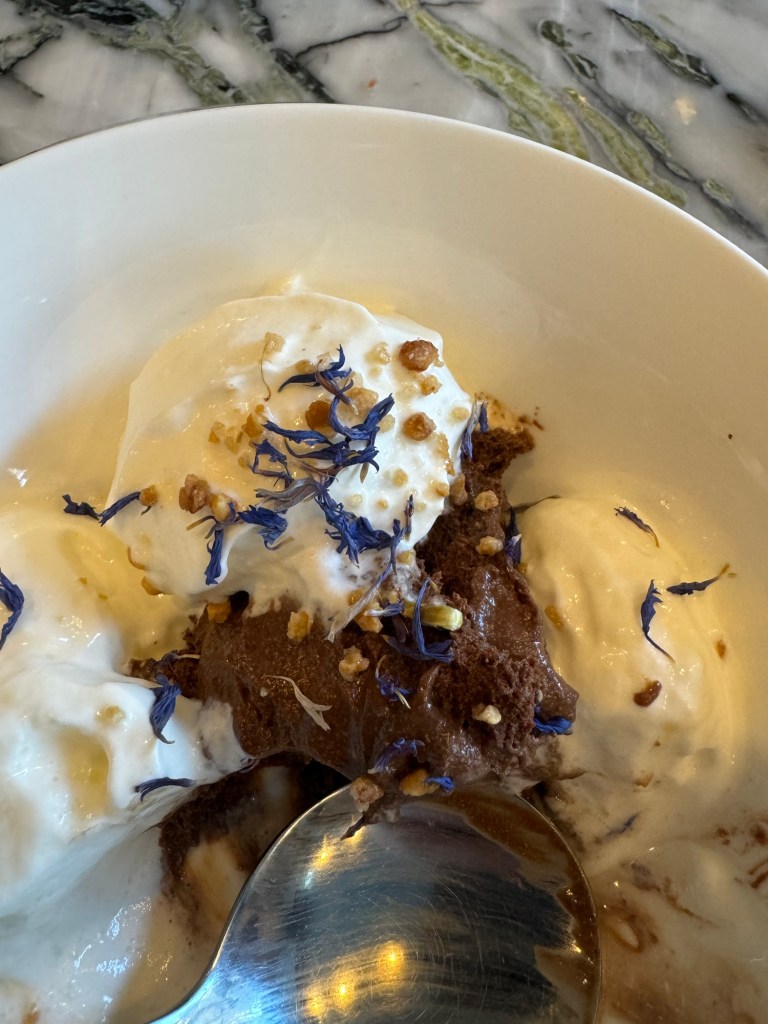
We had a fabulous lunch at the cafe in the community center in Hoswick, after leaving St. Ninian’s. Actually, we have eaten VERY well on Shetland! Wonderful fish, a fabulous meal at a French restaurant in Lerwick, and another fabulous meal in Lerwick the second night we were there; good food at the local cafes, wonderful seafood at Frankie’s—the northern most fish and chips shop in the UK, and the owner of the B&B we stayed in the last three nights on Unst was a very fine cook.


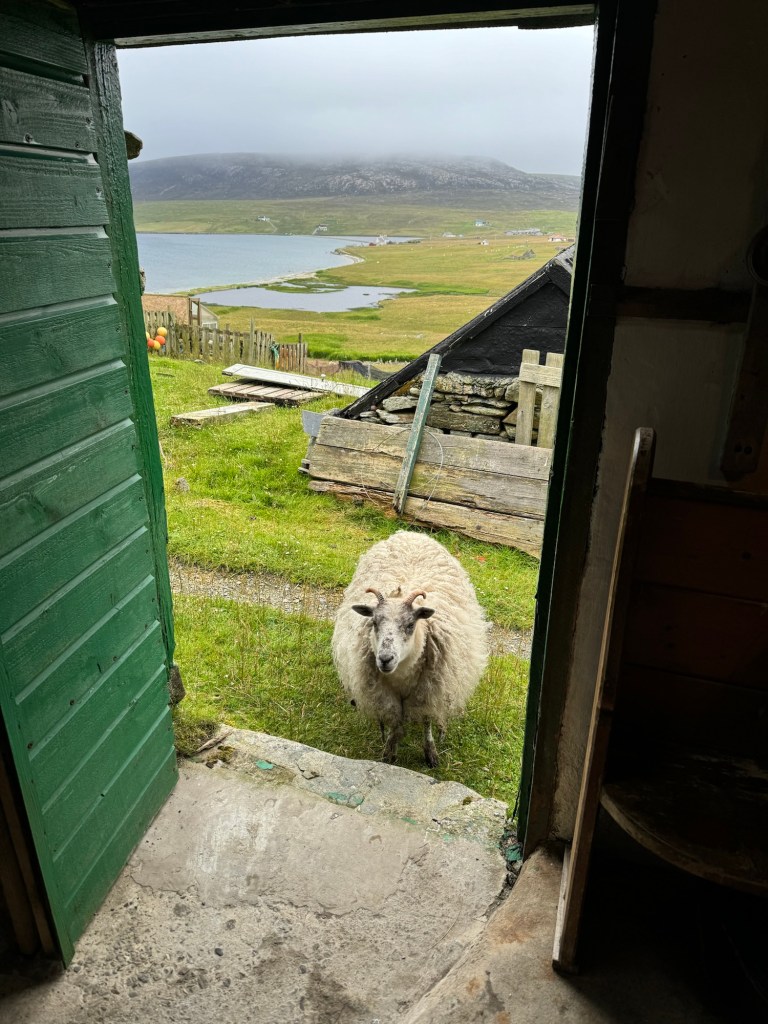
After the second night in Lerwick, we drove north and crossed over Mavis Grind—a narrow spit of land separating an inlet of the Atlantic from an inlet of the North Sea—so if you can throw, you can throw a rock from the Atlantic into the North Sea, or vice-versa. In the old days, they used to haul their boats over the grind rather than make the treacherous journey around the northern coast. We drove all the way up North Mavine to find the North Roe potter. We were happy to find her at home. She makes beautiful, unique pottery by rolling lace patterns into the clay. She was a delightful person—showed us how she makes her pottery, and of course, sold us some. She had sheep that were clearly pets. One kept coming to the door of the shed that served as her shop, looking in and even putting her front hooves on the doorstep as if she would come on in. She didn’t. But she clearly wanted the potter’s attention.


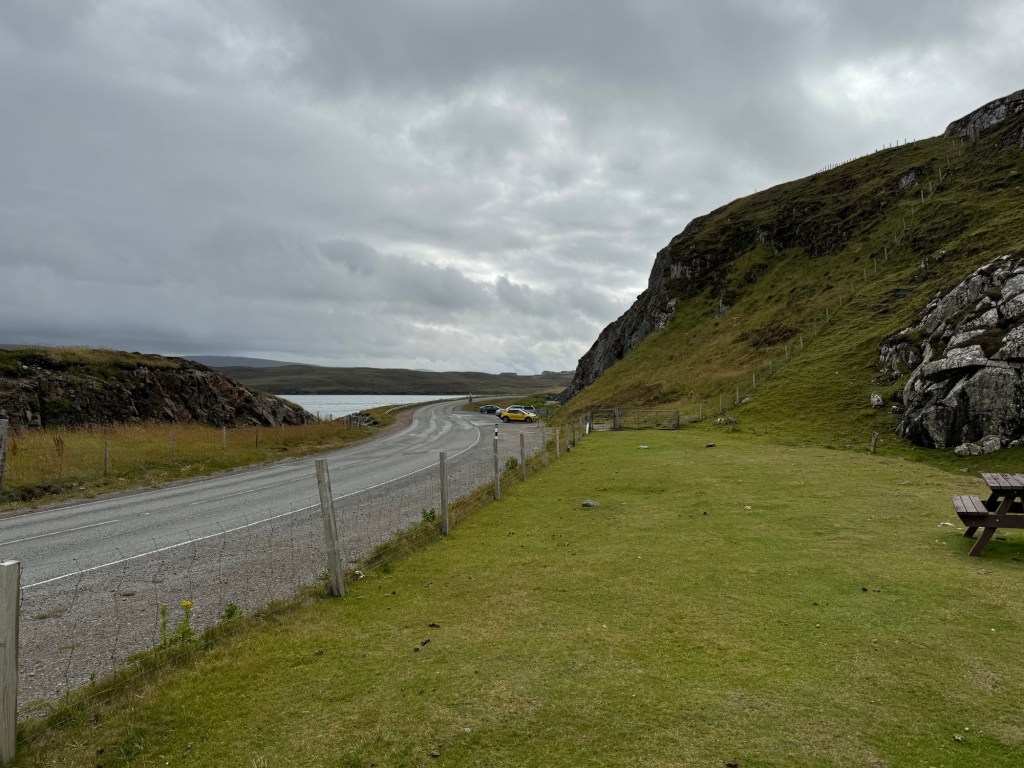



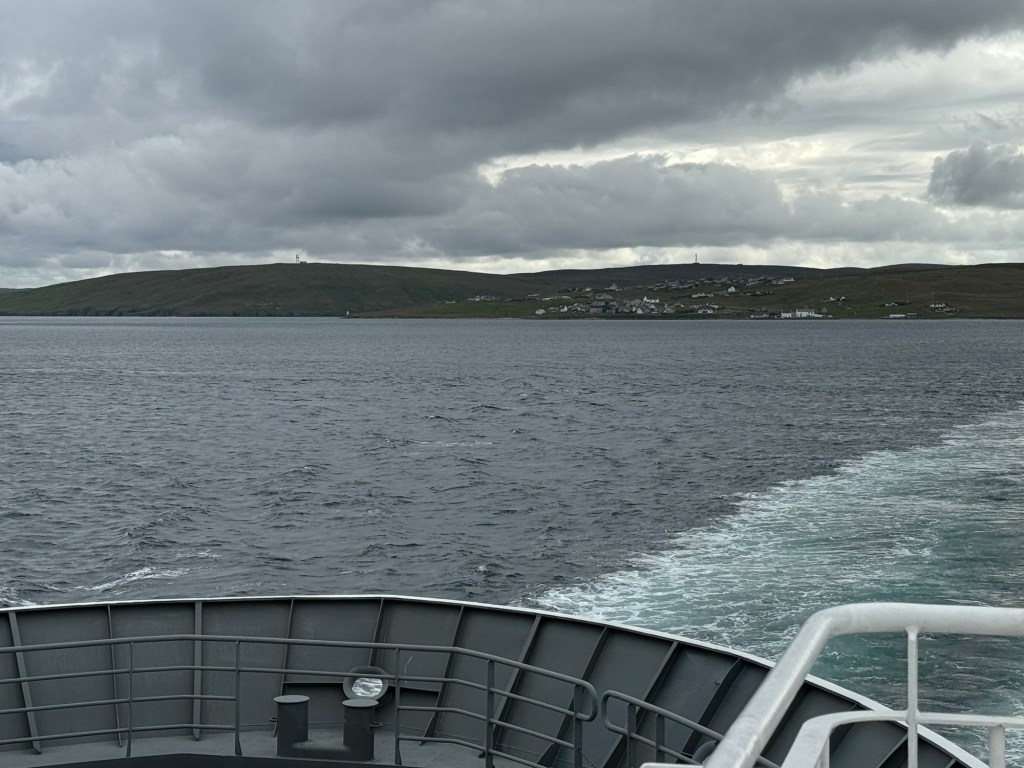
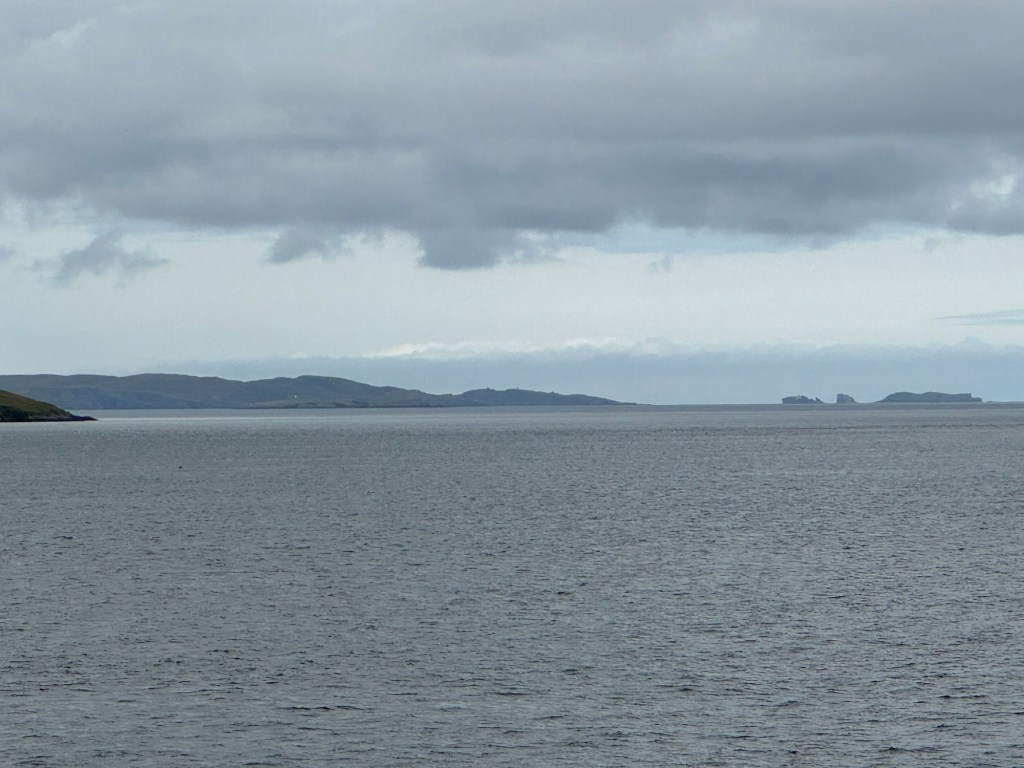
After our trip to North Mavine we had lunch at Frankie’s then headed north to catch the ferry from The Mainland to Yell, then drove like bats out of hell (that’s what it felt like) 20 minutes or so across Yell to catch the ferry from Yell to Unst, the most northerly inhabited island of Shetland, and thus the UK. I was driving at this point, and we were the first off the ferry, so the first in the line of cars racing from one ferry to get on the other. And it did indeed feel like a race. I was going at a pretty good speed on an unknown road with unpredictable sheep on the sides of the road, with cars on my tail urging me to go faster. I wasn’t about to pull off and let them pass and risk losing my spot on the ferry! The other people staying at the house with us that night were a few cars behind us, and they agreed that I was going quite fast enough, thank you very much, and they couldn’t believe there was a car trying to pass us all. So I felt vindicated.


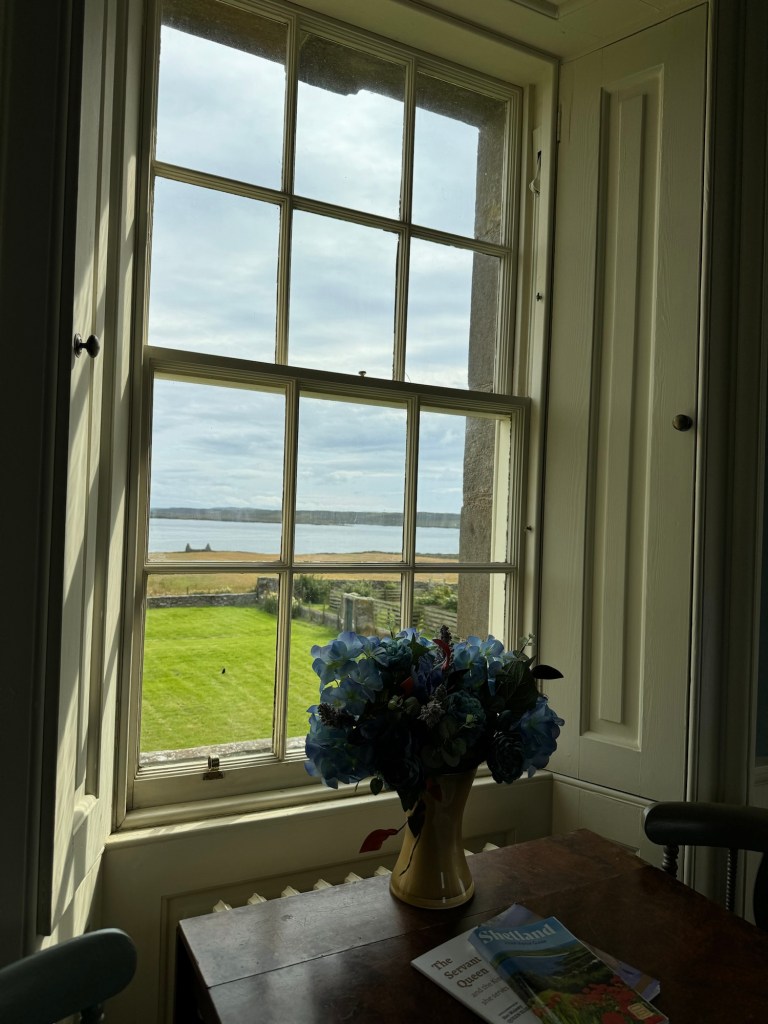
We stayed at a Georgian manor house built in 1756 (I think that’s the right date). It has been lovingly and beautifully restored by its current owner, Martin. It was a beautiful place to stay. We were there for three nights, and I wish we’d had longer. We saw so much on Unst, but could have used more time simply sitting and reading, writing, and knitting in the sitting room with gorgeous views of the water and windswept hills out every window.



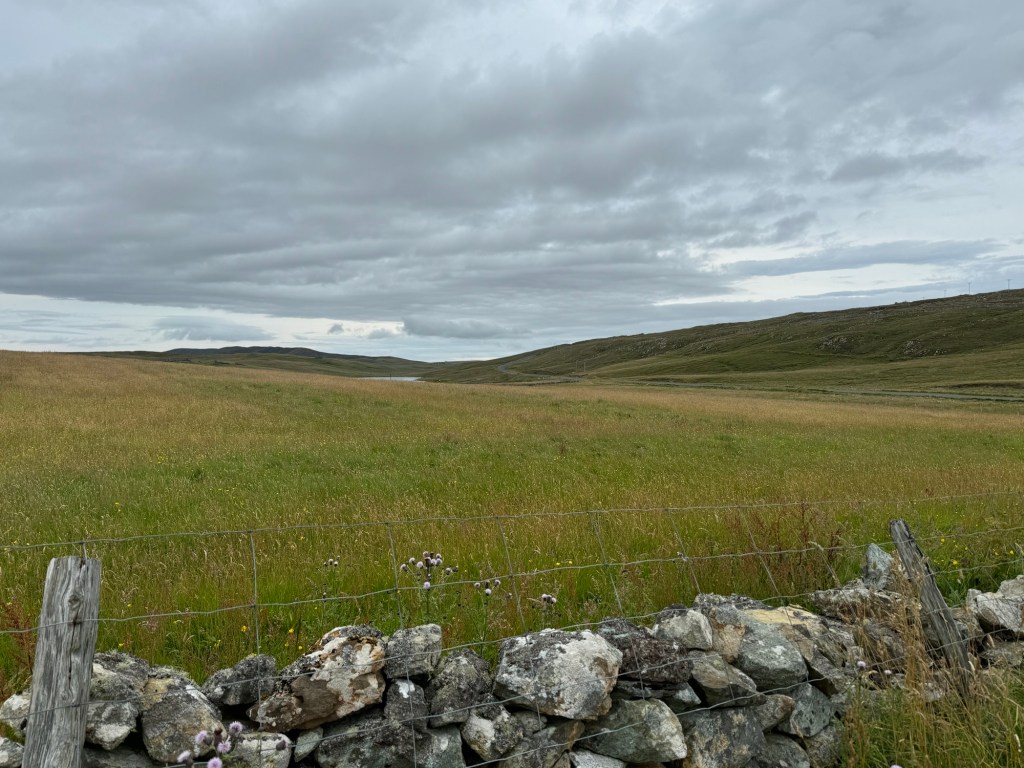
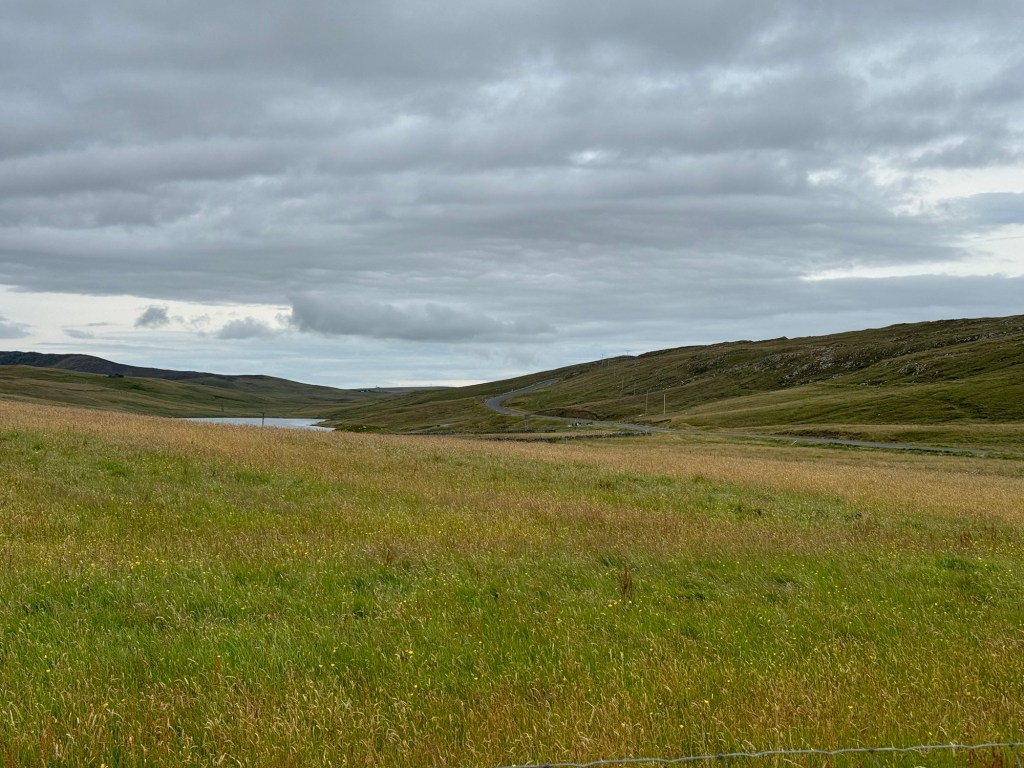


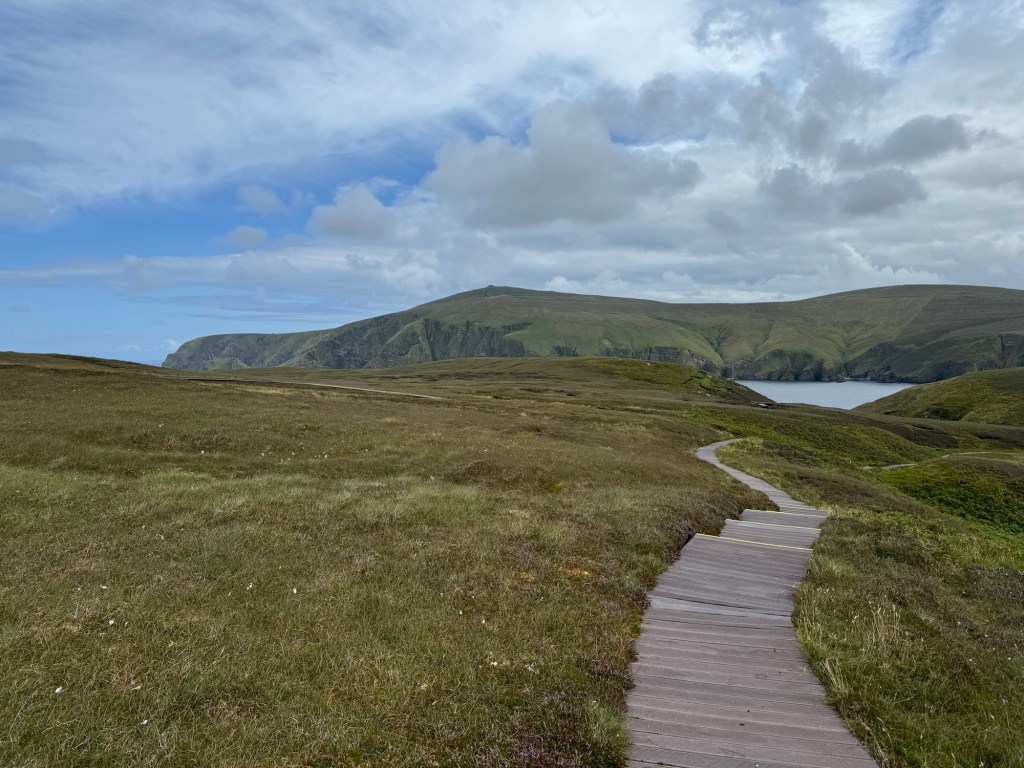
Martin knows the island very well and lent us his ordinance map of Unst with everything marked that we should try and see. The first full day we were there we headed north and walked across the Hermaness nature sanctuary—a 45 minute walk, mostly on boardwalk—to the western side of the island where there are tens of thousands of gannets on the cliffs and steep, rocky islands. We saw several of the big skuas. We later learned that the skua population has been hit hard by avian flu. As you enter and leave the preserve, you walk across a disinfecting mat that is part of the effort to stop the spread of avian flu. The cliffs and rocky outcrops were stunning, as were the tens of thousands of seabirds. We had hoped to see puffins, but apparently we didn’t go quite far enough along the coastal path. Later, at lunch, we talked to people who had seen them. Rats. Next time.
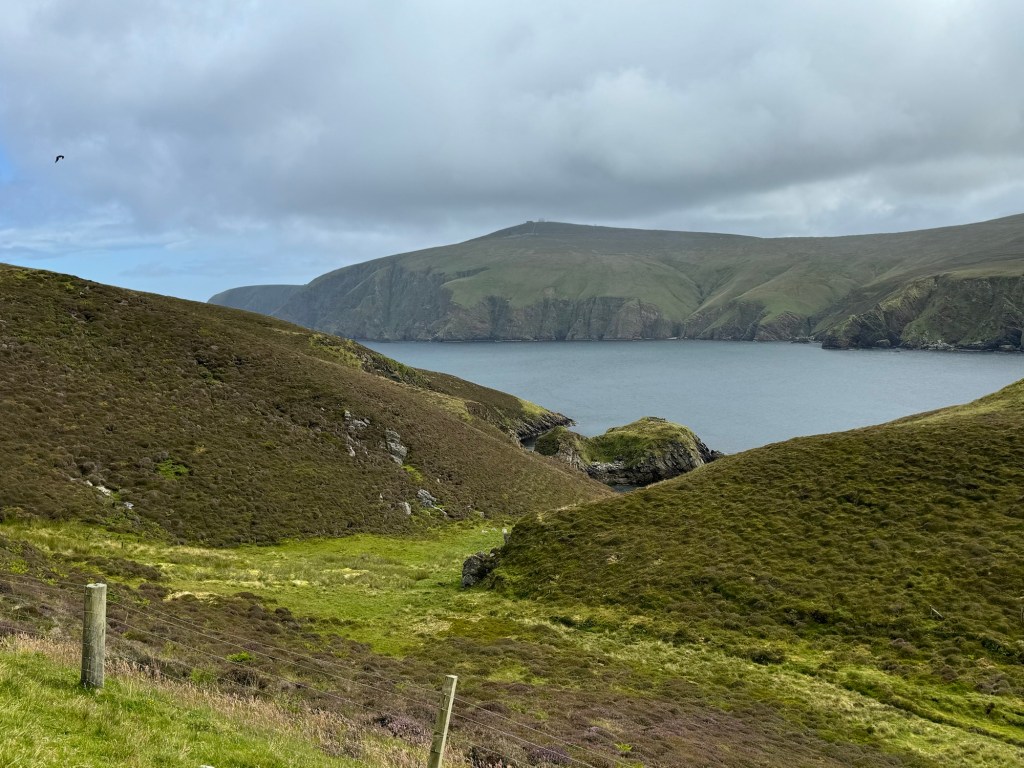
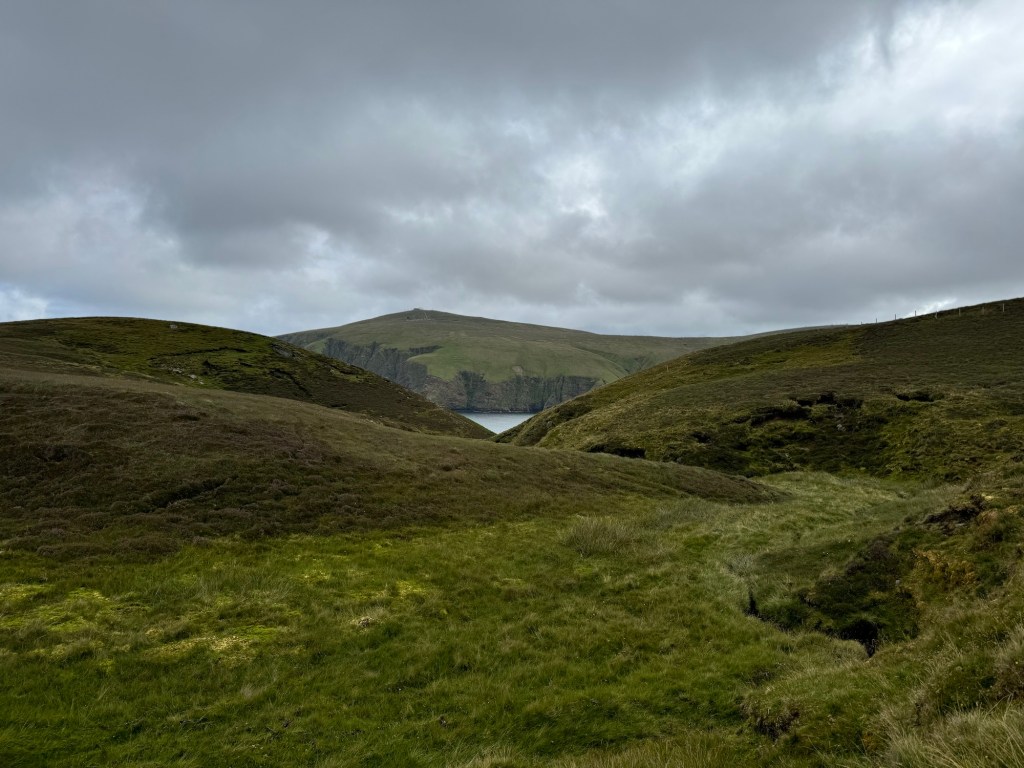


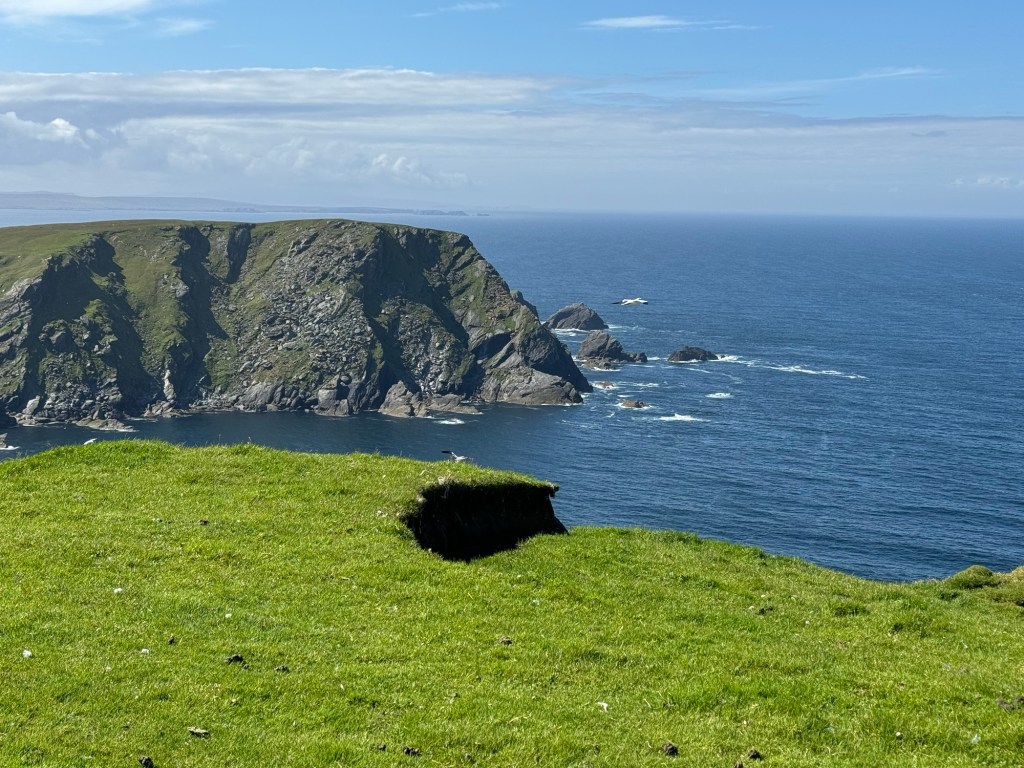

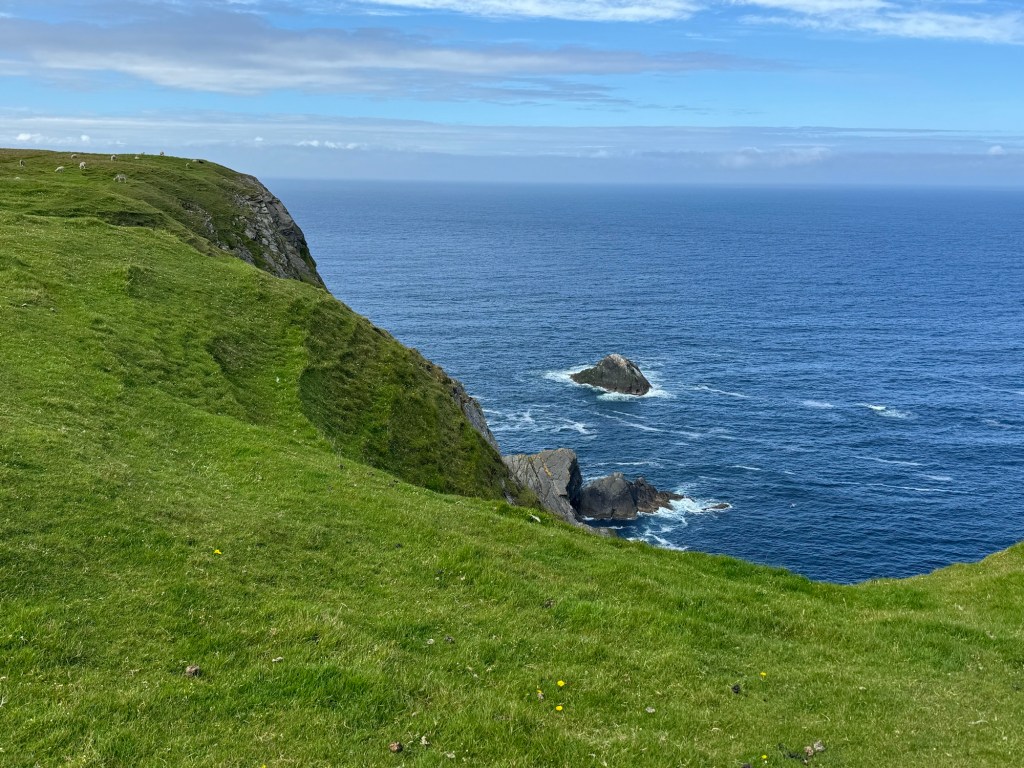
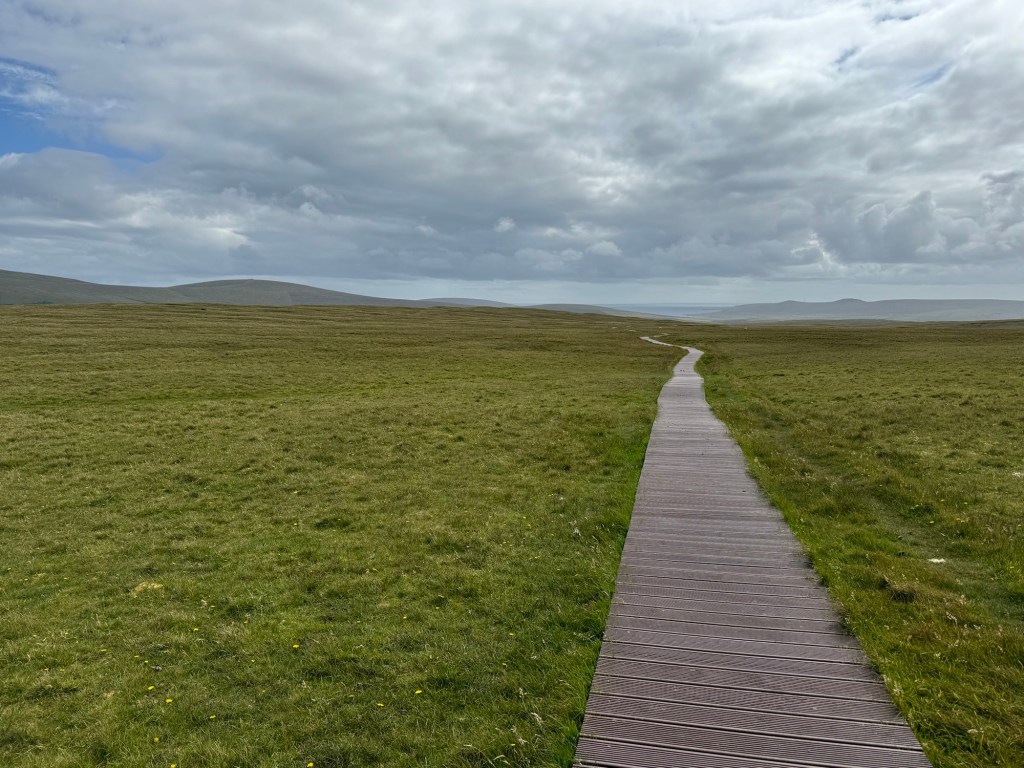

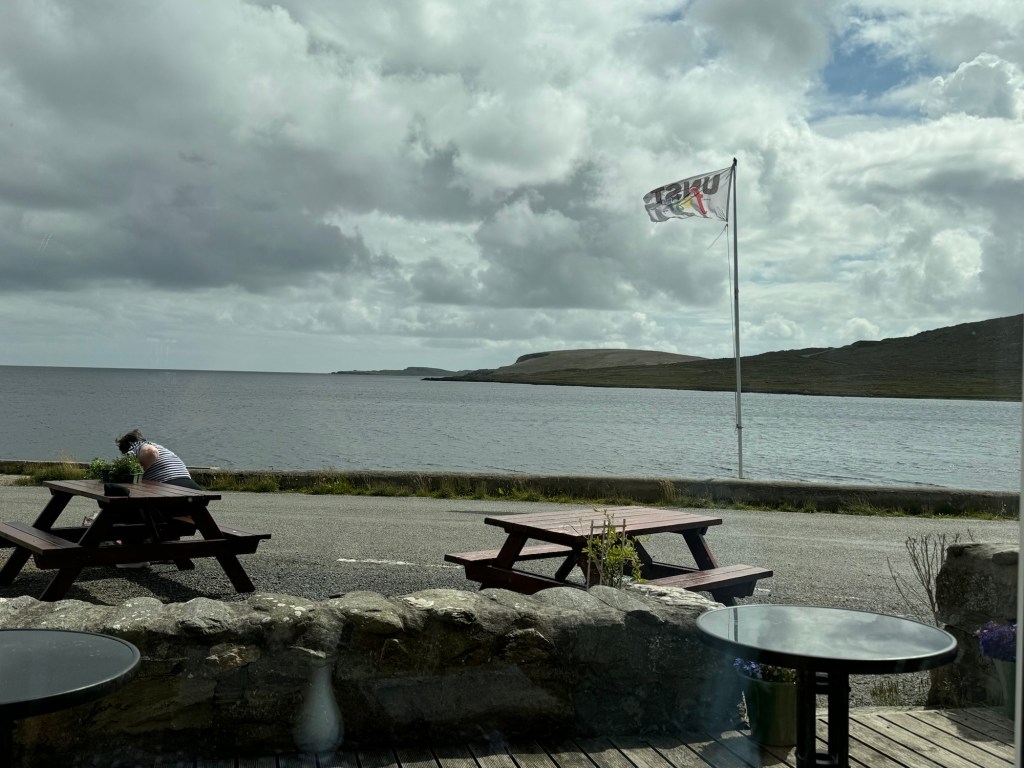
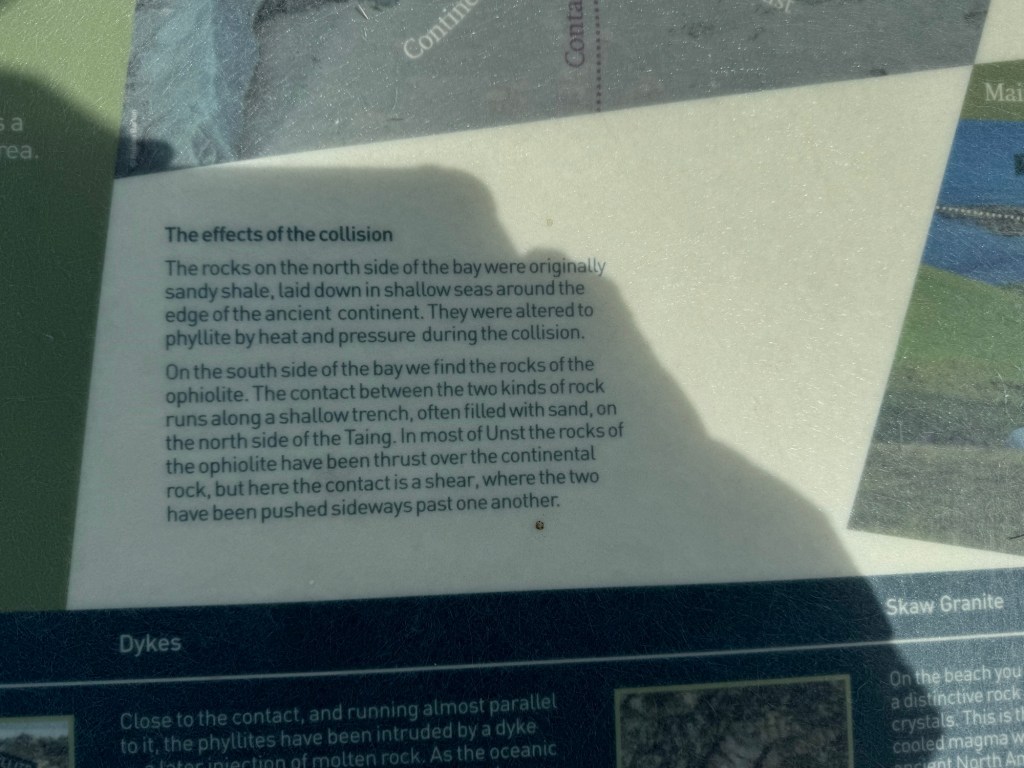
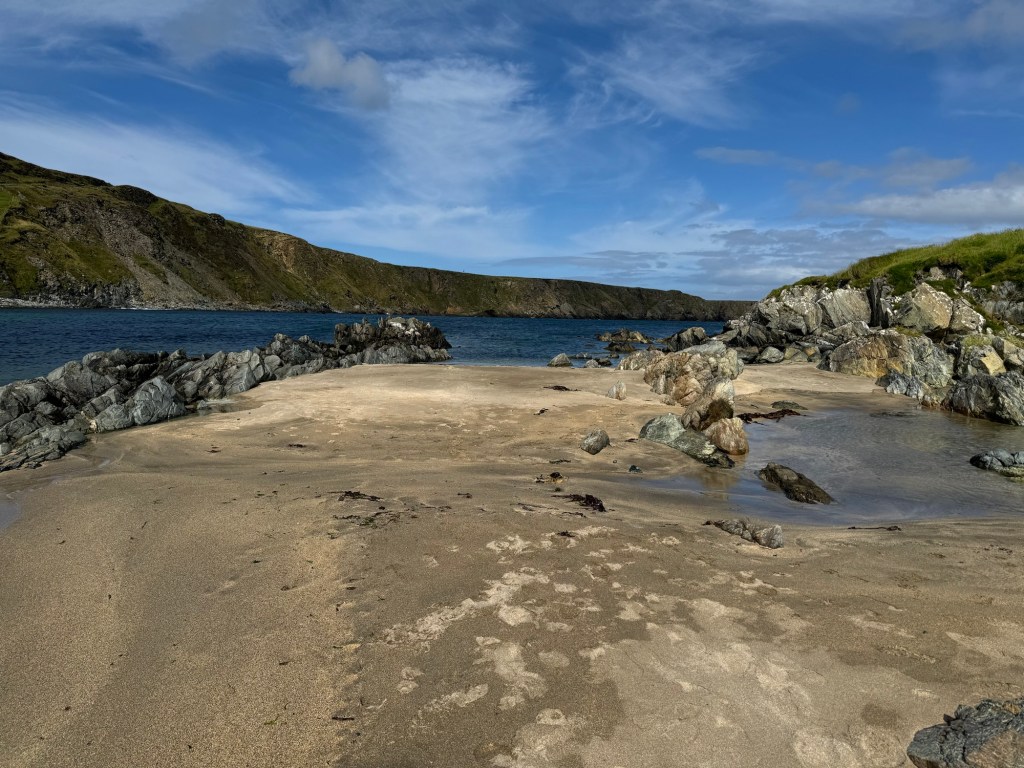
After our long walk to Hermaness and back, we drove to Haroldswick to have lunch at Victoria’s Vintage Tea Rooms, “Britain’s most northerly tea rooms!” Frankly, anything on Unst can claim to be “Britain’s most northerly.” Another really nice meal and a cute place. Then it was up to Norwick Beach to see the Taing (something that makes geologists very excited) and take another walk. We drove by the Space Port. Yes. There is a Space Port on Unst. It’s weird. And takes itself far too seriously. They had security personnel monitoring what is a public road, a public beach, and public walk. They were clearly trying to be intimidating. There was something James Bond-ish about it. Martin said they sometimes try to stop people from going up there. They stopped him once, when he was driving guests up to that area and told him it was private property and they couldn’t go. This former police officer was having none of it and told them they might get away with that with tourists but it was a public road and public area and they needed to get a way from his car because he was going on. They had a security guard at the beach, making his presence known, and another on the road as we left. This place would seem like a joke, but Lockheed Martin has invested in it, so it’s not just a joke. I can’t believe they are really going to launch rockets from here. What effect are rocket launches going to have on the tens of thousands of birds in the area? Or the seals and otters? Like Hermaness, this area was full of seabirds.





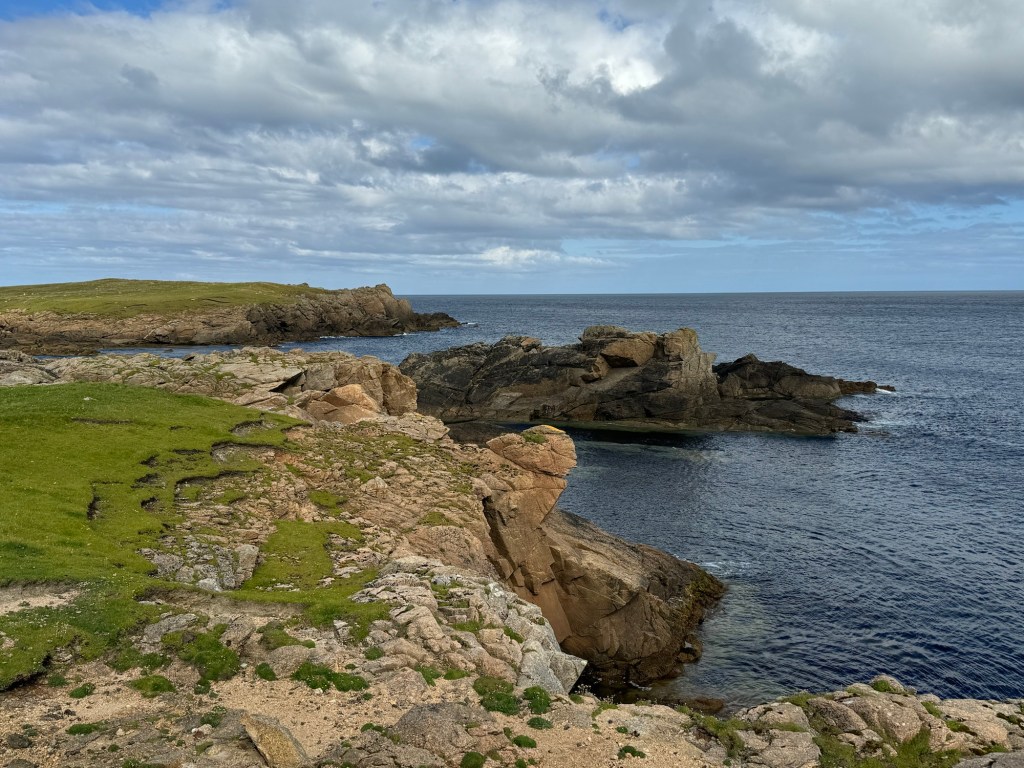


seriously.
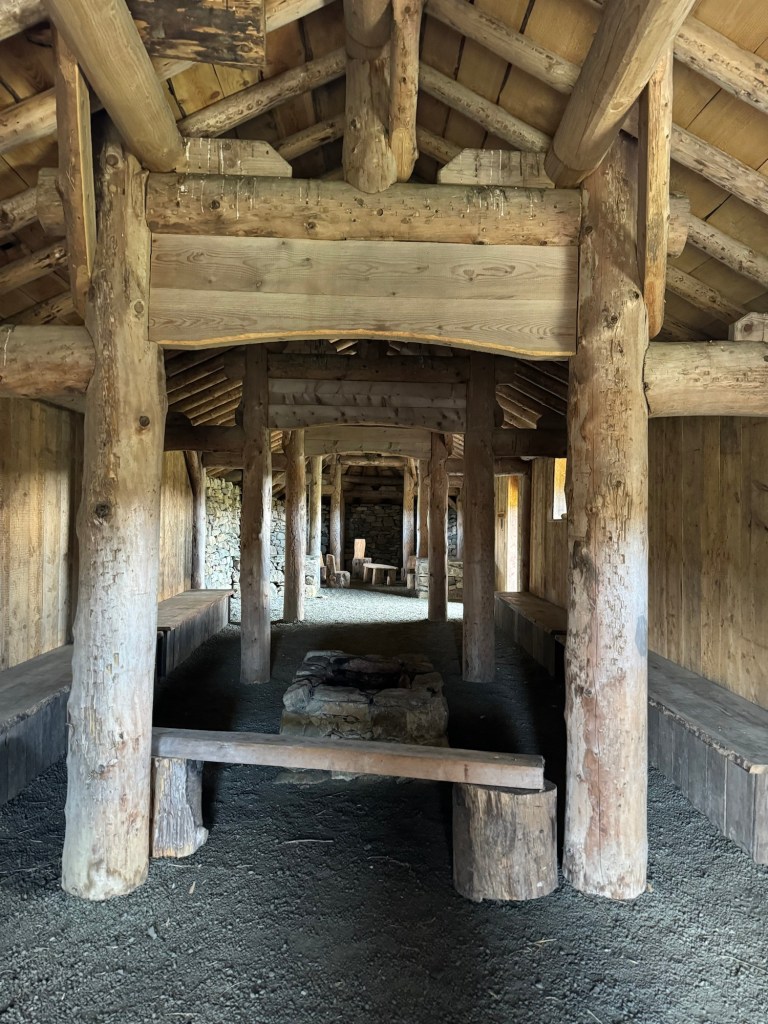
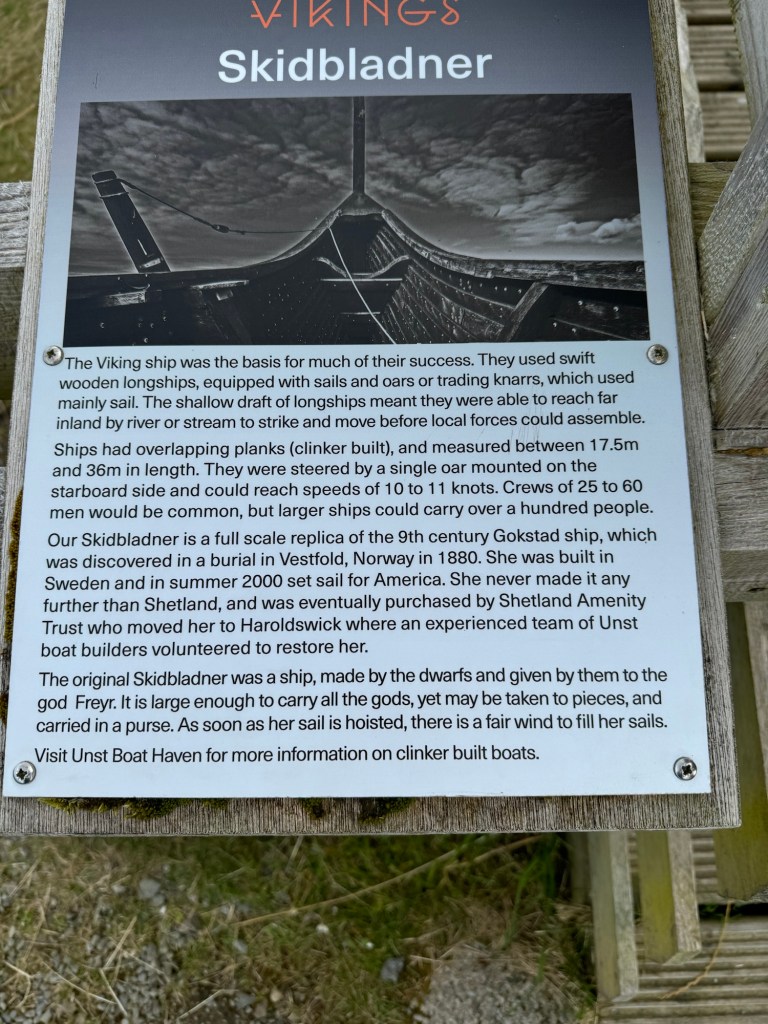
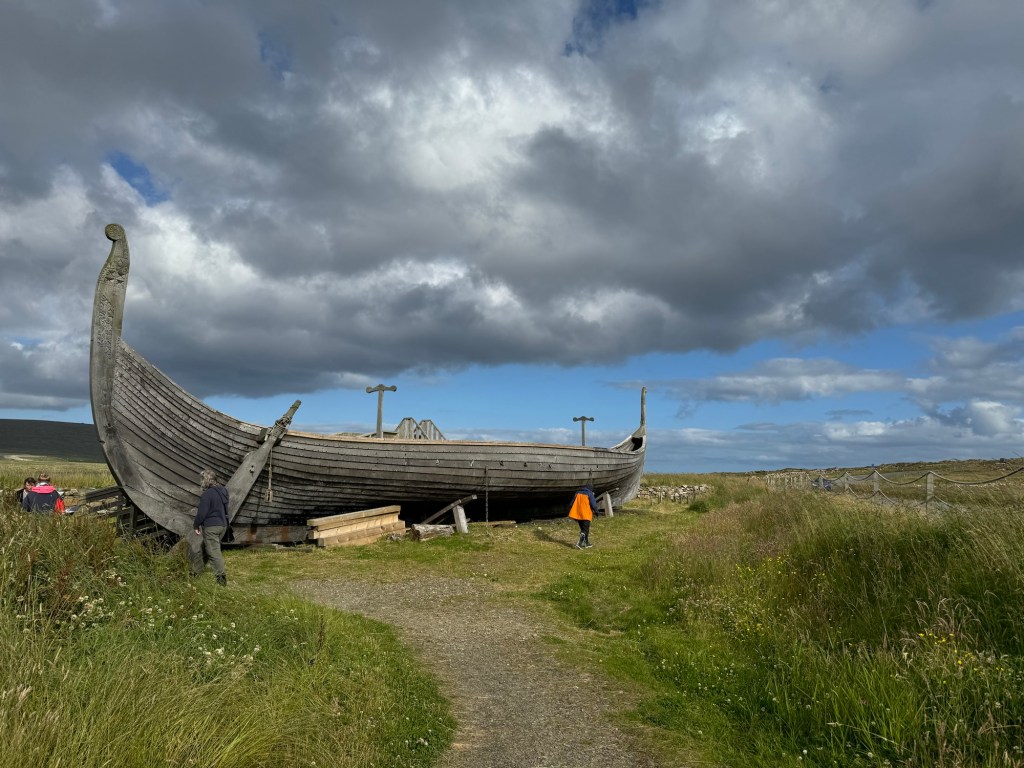
On our way back to the southern part of Unst and home for the night we stopped to visit the replica Viking long house and ship. The long house was built based on the ruins they have excavated on the island. The ship was built in Norway with the intention of sailing it all the way to America. They got as far as Shetland, realized just how hard it was to sail and row these things, and didn’t go any further. So it has stayed in Shetland as a museum piece. Those Vikings were incredibly fit to be able to sail these across oceans.




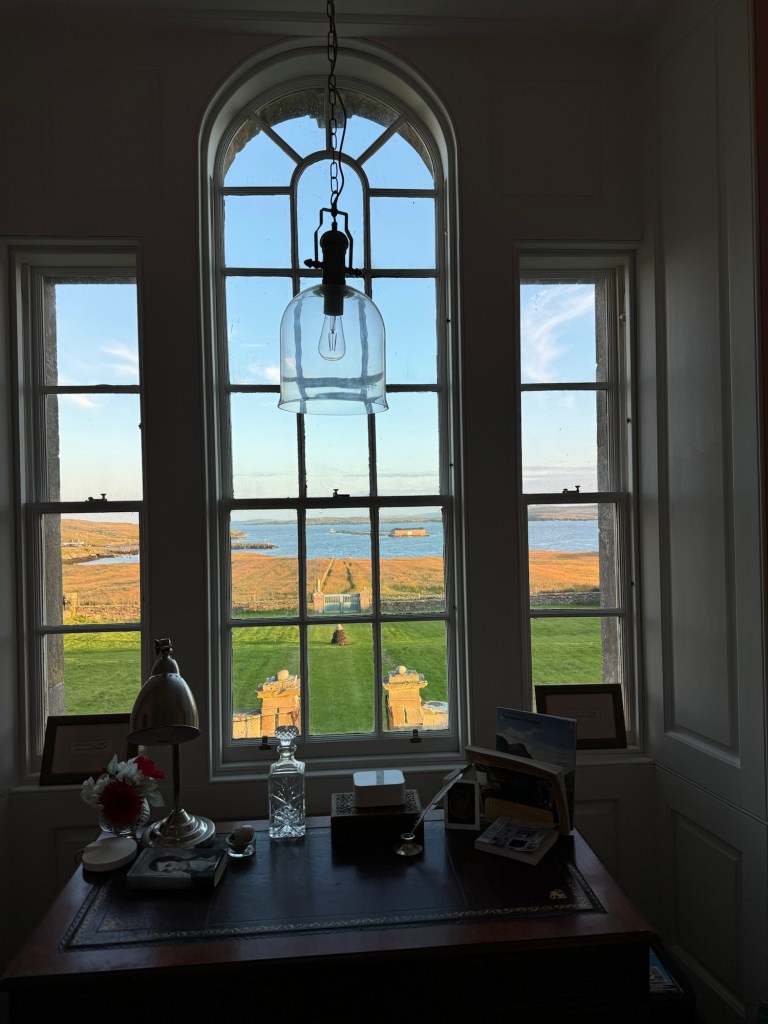

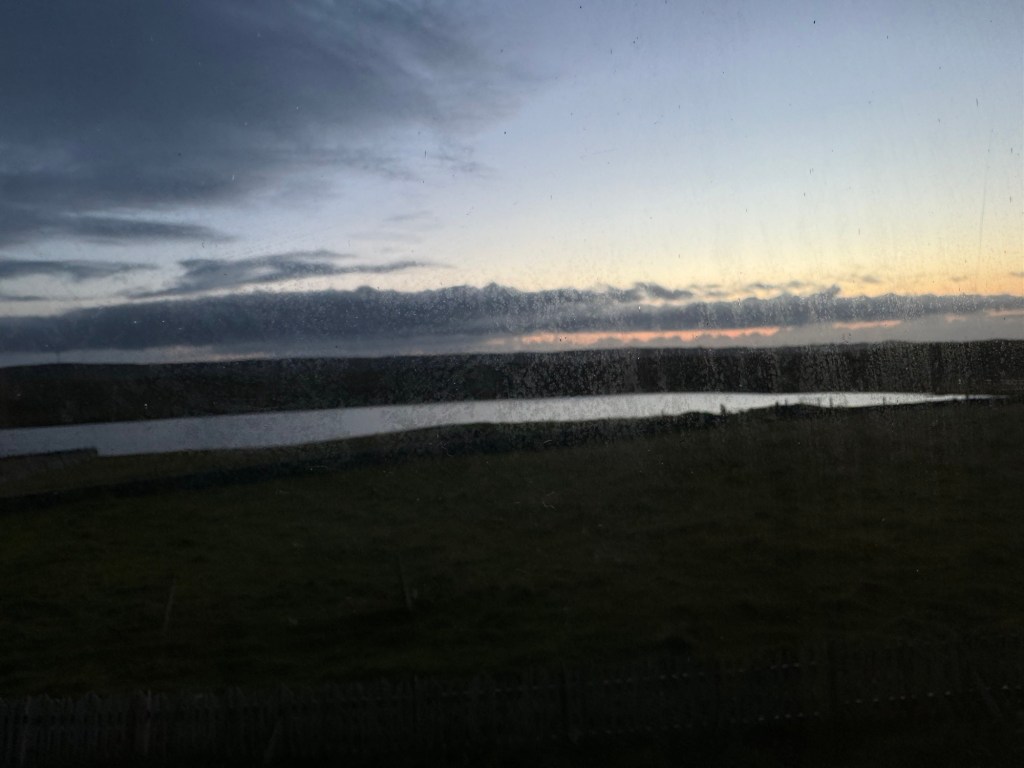
This is getting too long for one post! Day two of our adventures on Unst will have to wait for another post. Shetland is so remote, and takes a lot of effort to reach, but I can’t believe I won’t be back. I want to come and stay for a while—a few months, maybe a year? The wind, water and sky are wonderful for clearing away the cobwebs—it is a restorative place—both invigorating and relaxing. I ended each day feeling a good kind of tired—a “spending the day outside in a beautiful, windblown place” kind of tired.
 babartlett
This is a test! Got a message that someone was unable to comment, so I’m testing it myself!